Children’s imagination cannot compete with AI. It doesn’t need to.
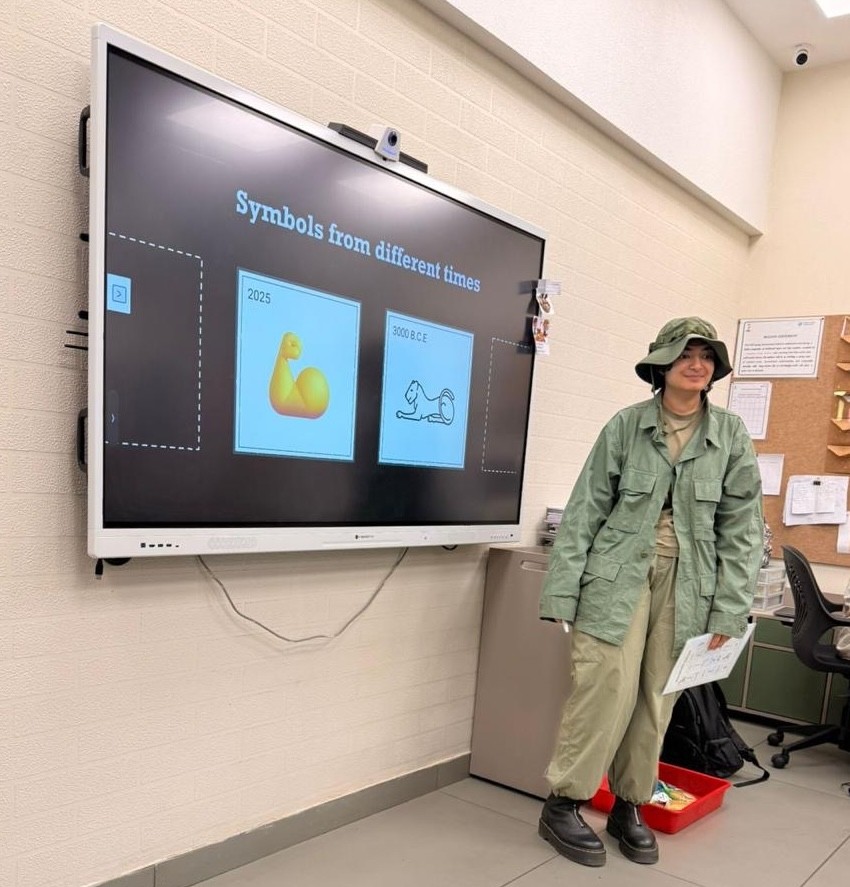
It was Children’s Day. I had the opportunity to teach 2nd graders about signs and symbols. Emojis, road signs, logos, ancient Egypt.
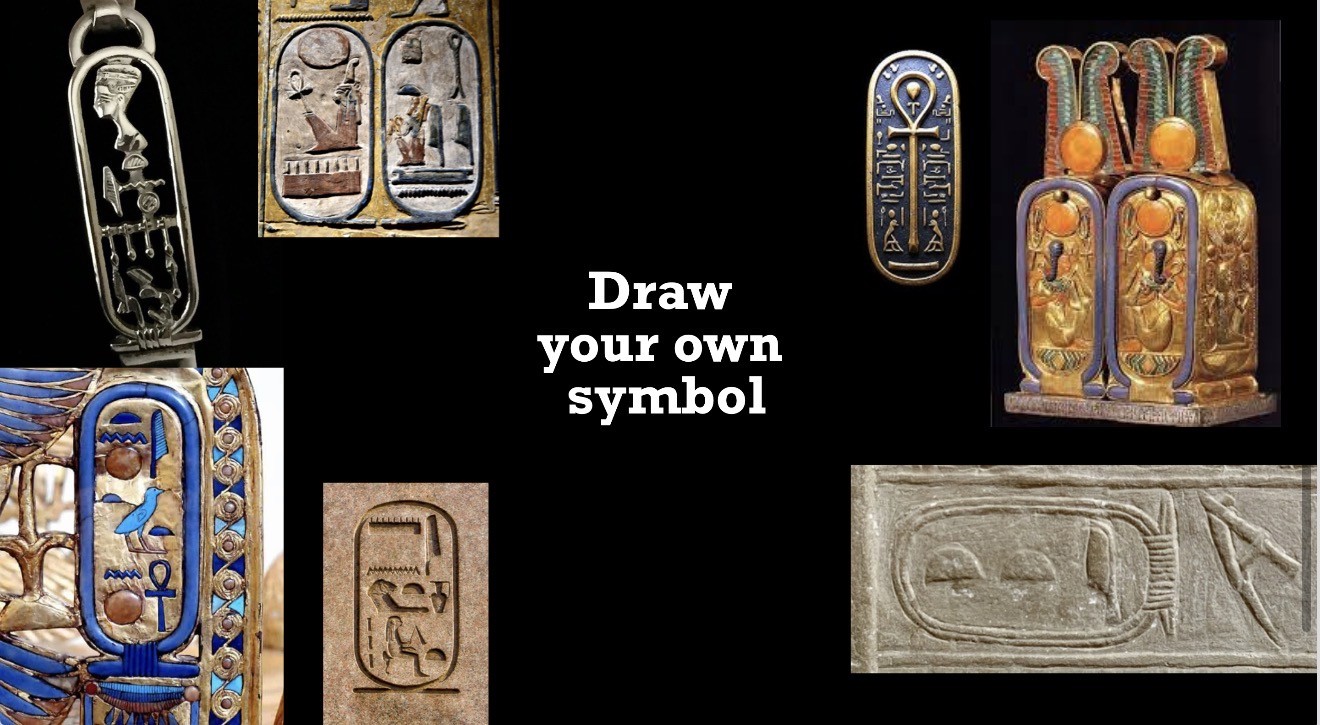
The day started with a quick review of symbols of the world including hieroglyphs. The first activity of the day: Crack The Code. The reward for the fastest junior cryptanalyst? Stickers. Oh the little joys!
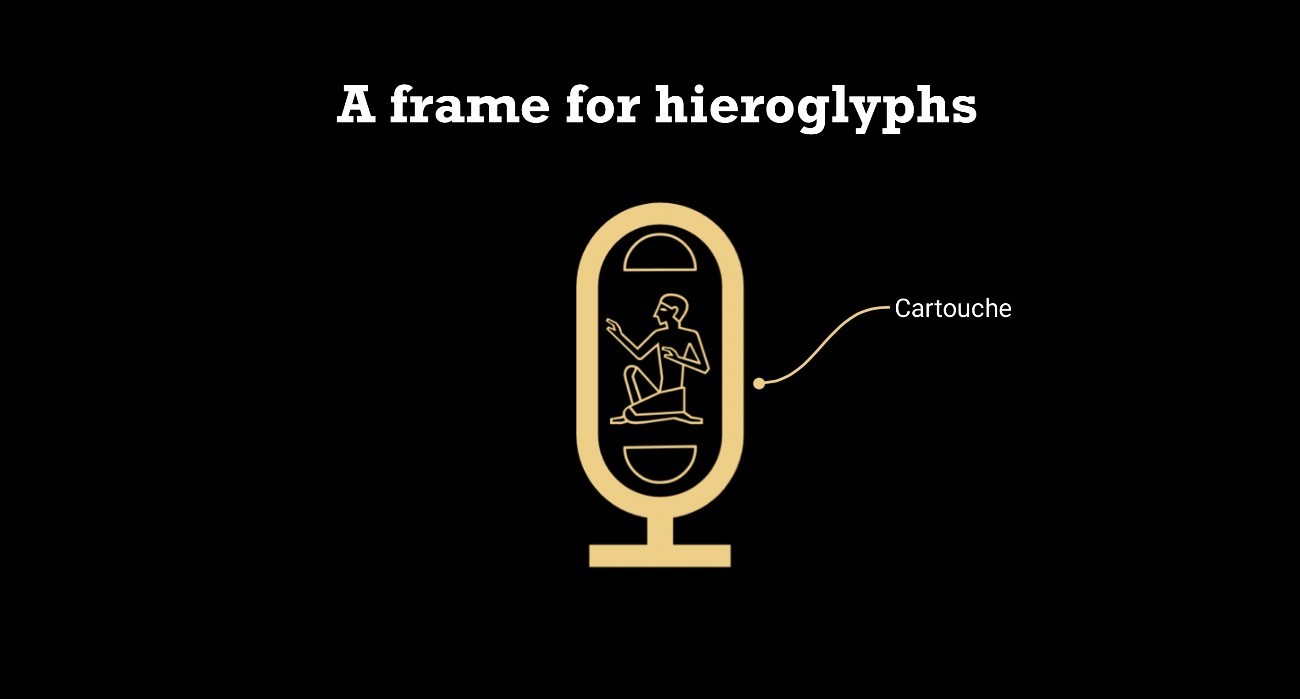
Then the learning became experiential. Instead of looking outside, the children were asked to introspect. To draw their names akin to how ancient Egyptian pharaohs wrote their names inside a unique frame called a ‘cartouche.’
This activity energised the already energetic 8 year olds further. Some kids knew what their name meant and started figuring out its imagery. Some kids took out a dictionary and were trying to decipher how to represent their name’s exact definition. Some kids didn’t want to use their names but represent themselves through their favourite activity like football. The room was buzzing with ideas. As the kids were figuring it out, they were asking directional questions: is this approach right, does the pictorial representation make sense?
A name is identity and when the children visualised their own names, they personalised semantics in a way no theoretical class can teach.